

Quick Answer: Key Takeaways
- Trading cards generally offer a clearer, more measurable path to appreciation than figures, mainly because grading (PSA, BGS) and active secondary markets (eBay sold listings, TCGPlayer) create transparent pricing data that figures simply don’t have.
- Figures offer stronger display and hobby value, but most mass-produced prize figures and even mid-tier scale figures hold or lose value rather than appreciate — real gains tend to concentrate in limited editions and retired manufacturer runs.
- Condition risk works differently for each category. Figures are vulnerable to sun fading, dust, and shipping damage; cards are vulnerable to bends, surface wear, and centering issues — but cards are far easier and cheaper to protect long-term (sleeves, top-loaders) than figures (UV cases, climate control).
- Cards are more liquid. A graded card in a known set can be sold through established marketplaces relatively quickly; a figure often needs a buyer who specifically wants that character, pose, and manufacturer, which narrows the pool.
- Neither category should be treated as a reliable financial investment — both are hobby-driven, illiquid relative to real financial assets, and heavily dependent on franchise popularity holding up over time.
This comparison is for informational purposes only and is not financial advice.
Two Very Different Collectible Categories
Anime figures vs trading cards value is one of the most common debates among collectors, and the honest answer is that the two get lumped together constantly under “anime collectibles” despite behaving like fundamentally different asset types. Figures are physical, often hand-painted objects tied to craftsmanship and display appeal — closer, in collecting terms, to limited-edition art pieces. Cards are flat, easily stored, mass-manufactured items whose value is driven almost entirely by rarity, condition, and a transparent secondary market.
That distinction matters more than most beginner guides admit. If you’re choosing where to put your money — or just trying to understand why your figure shelf isn’t appreciating the way your friend’s graded card binder is — the mechanics behind each category explain the difference. This article builds directly on our <a href=”/anime-collectibles-investment-guide/”>anime collectibles investment guide</a>, which covers the category at a higher level; here, we go head-to-head.
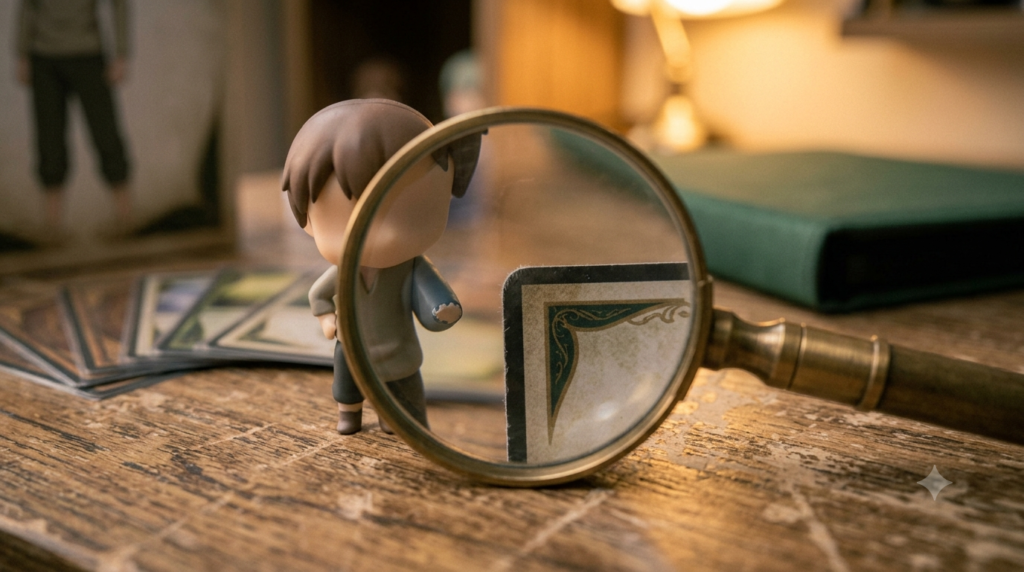
Anime Figure Resale Value: How Figures Hold (and Lose) Value
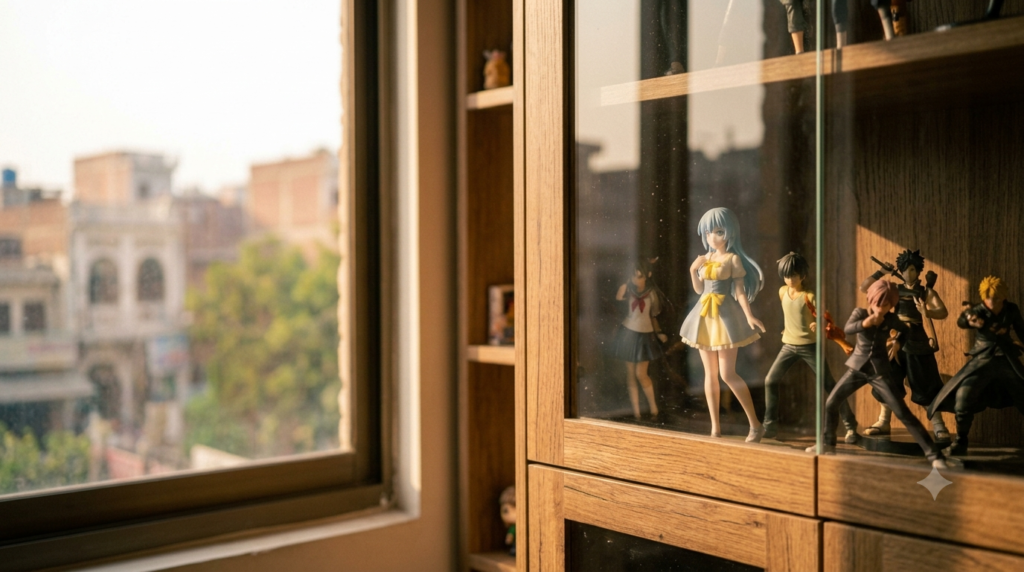
Anime figures generally fall into three pricing tiers: entry-level prize figures (roughly $20–$60, often from Banpresto or Taito), mid-tier figures ($60–$150, including Nendoroids and Figma-style articulated figures), and high-end scale figures ($150 and up, from manufacturers like Alter, Max Factory, Kotobukiya, and Good Smile Company.
Here’s the uncomfortable truth for anyone hoping figures will appreciate reliably: most don’t. Prize figures are mass-produced specifically to be affordable and widely available, which works against scarcity-driven value. Even mid-tier and scale figures, unless they’re genuinely limited editions or from a manufacturer that has since discontinued the line, tend to hold roughly their original value at best.
One illustrative comparison used in industry analysis describes a hypothetical collector who spent $3,000 over five years on premium Nendoroids and scale figures from popular shonen franchises. Only two out of the whole collection — both limited-edition, retired pieces — actually appreciated.
The total resale value of the full collection ended up modestly above the original spend once the appreciating pieces were factored in. The broader pattern that scenario illustrates holds up across the category: real figure appreciation concentrates narrowly in limited editions and retired runs, not general collections.
Condition is the other major factor working against figures. Collectors and hobby retailers commonly report visible sun fading within roughly two years for figures displayed on open shelves near windows, and shipping damage is a persistent risk for anything with delicate accessories or paint applications. Manufacturers generally advise against expecting investment-grade returns from scale figures at all — buy them because you want them, and treat appreciation as a bonus rather than the plan.
Anime Card Grading and Value: How Trading Cards Hold (and Gain) Value
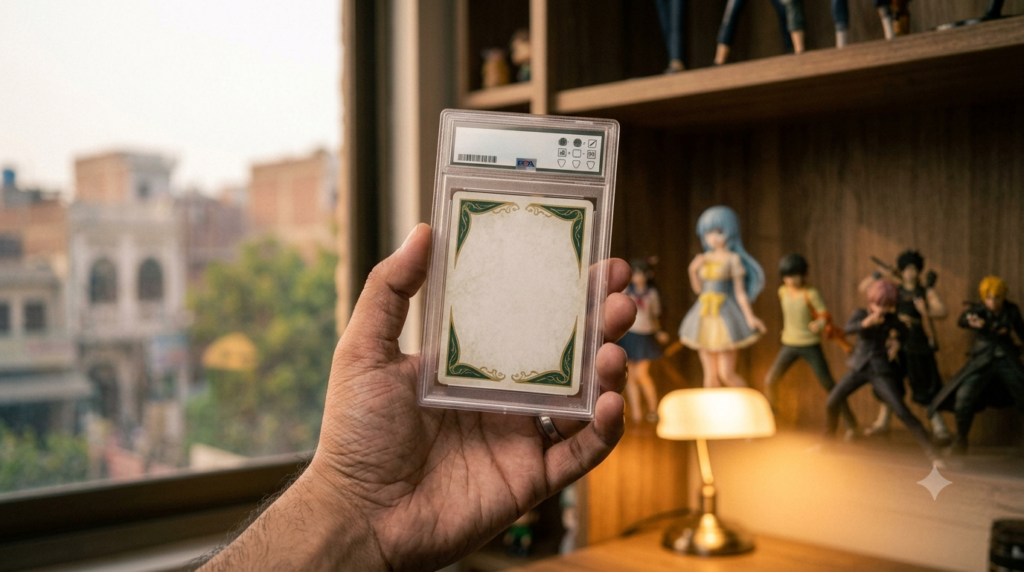
Anime trading cards work on a fundamentally different value mechanism. Because cards are standardized objects (same size, same basic material), their condition can be objectively graded by third-party services like <a href=”https://www.psacard.com/” target=”_blank” rel=”noopener”>PSA</a> and BGS, which assign numeric grades based on centering, corners, edges, and surface. That grading creates something figures don’t have: a transparent, comparable pricing structure, where a PSA 10 copy of a specific card has a trackable sale history independent of who’s selling it or where.
Grading isn’t free — submission costs typically run in the $20–$50 range per card — but for a card that’s genuinely rare or in exceptional condition, that cost is often recovered many times over in the resulting sale price. For cards that are common or already widely available in high grades, however, grading can easily cost more than the value it adds. Our companion guide on <a href=”/grading-anime-cards-figures-psa-bgs-resale/”>grading anime cards & figures: PSA, BGS, and resale impact</a> walks through when grading actually makes financial sense.
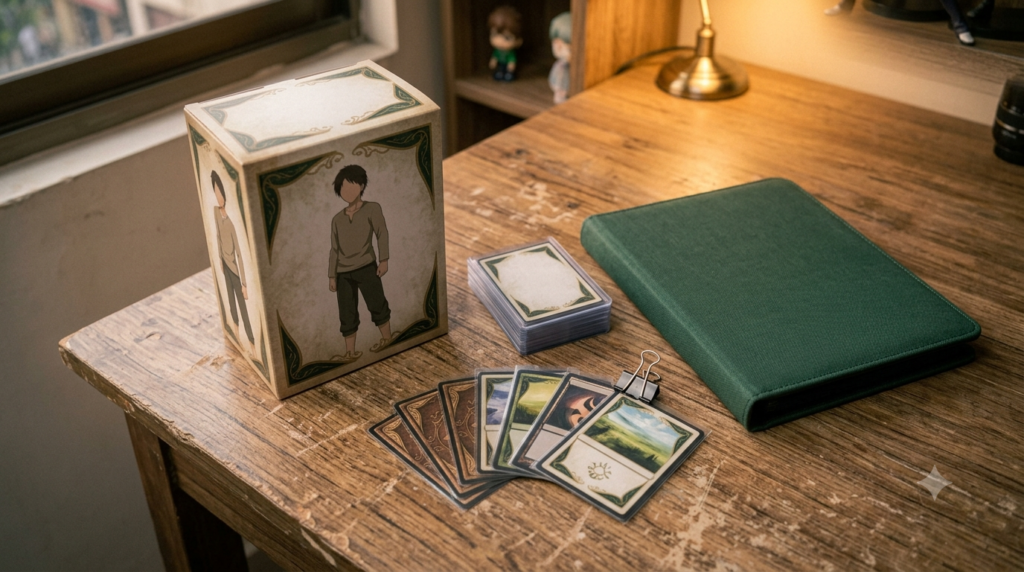
Storage is also simpler and cheaper for cards. Acid-free sleeves, top-loaders, and graded slabs protect a card’s condition indefinitely at a cost of a few dollars per item — compare that to the UV-filtered display cases and climate considerations serious figure collectors need to protect an investment-grade piece.
For a deep dive into one of the most actively traded anime card ecosystems right now, see <a href=”/one-piece-card-investing-guide-2026/”>One Piece Card Investing Guide: Best Sets to Buy in 2026</a>.
Data Table: Anime Figures vs Trading Cards Value, Side by Side
| Factor | Anime Figures | Trading Cards |
|---|---|---|
| Typical entry price | $20–$60 (prize), $60–$150 (mid), $150+ (scale) | Often $3–$10 per pack; sealed boxes vary widely |
| Value transparency | Low — no standardized grading, prices vary by condition/seller | High — PSA/BGS grading creates comparable, trackable pricing |
| Condition risk | Sun fading, dust, shipping damage, paint chipping | Bends, surface wear, corner damage, centering issues |
| Storage cost/complexity | Higher — UV cases, shelf space, careful handling | Lower — sleeves and top-loaders are cheap and compact |
| Liquidity (ease of resale) | Lower — needs a buyer for that specific character/pose/manufacturer | Higher — established marketplaces (eBay, TCGPlayer) with active buyer pools |
| Typical appreciation pattern | Concentrated in limited editions/retired runs; most items flat or declining | Concentrated in rare pulls, chase cards, and vintage/Japanese-exclusive prints |
| Best suited for | Collectors who value display and craftsmanship | Collectors comfortable tracking market data and grading economics |
Which Anime Collectible Holds Value Best for Your Goals?
The honest framework for weighing anime figures vs trading cards value isn’t “cards beat figures” — it’s that the two categories serve different collector priorities, and picking the wrong one for your actual goals is the most common mistake:
- If you want display value and craftsmanship appreciation, figures deliver something cards simply can’t — they’re sculptural, painted, three-dimensional pieces that make a collection feel personal and visually distinct. Just go in expecting resale value to be a bonus, not the point.
- If you want measurable, trackable resale potential, cards have the infrastructure (grading, sold-listing history, active marketplaces) that makes tracking and predicting value realistically possible.
- If storage space or a mobile lifestyle is a constraint, cards win decisively — a few hundred cards fit in a shoebox, while a comparable figure collection needs real shelf and display space.
- If you’re building toward genuine long-term appreciation, both categories point to the same underlying rule: franchise durability and genuine scarcity matter more than which category you pick. A limited, retired scale figure of an enduringly popular character can outperform a common card from a hot-right-now series, and vice versa.
For collectors who want the craftsmanship of figures with somewhat more predictable pricing dynamics, model kits ” noopener “ occupy a middle ground worth knowing about — see Gunpla & Scale Figure Resale Value: What Actually Appreciates.
- If you’re weighing time commitment, factor in maintenance, not just the initial purchase. Figures need periodic dusting, careful repositioning, and UV-safe display upkeep to preserve both appearance and resale condition over years. Cards, once sleeved and stored flat in a binder or box, require essentially no ongoing maintenance — which matters if you’re the kind of collector who buys now and revisits a collection years later rather than actively managing it.
- Consider how each category ages culturally. A figure tied to a specific anime season can look dated once a show’s cultural moment passes, even if the sculpt quality remains excellent. Cards tied to an ongoing, actively played game (rather than a one-off promotional set) tend to stay culturally relevant longer, because new players keep entering the format and searching for older cards to complete sets — a dynamic figures simply don’t have.
Common Mistakes Collectors Make in Both Categories
- Buying figures expecting card-like appreciation. Figures don’t have the grading infrastructure or standardized condition tracking that drives card value, so treating a figure purchase like a card investment leads to unrealistic expectations.
- Grading cards indiscriminately. Submitting every card for grading regardless of rarity or condition often costs more in fees than it returns in value.
- Underestimating figure storage requirements. Display without UV protection is one of the most common — and most avoidable — causes of value loss in figure collecting.
- Chasing hype-driven releases in either category rather than franchises with a demonstrated long-term track record.
- Ignoring liquidity when it matters. If you might need to sell quickly, cards’ more active secondary market is a meaningful practical advantage over figures.
- Skipping authentication checks on secondhand purchases. Both categories have a counterfeit problem — bootleg figures with soft detailing and off-color paint, and reprinted or altered cards passed off as originals. Buying from established retailers or verified sellers, and learning the basic authenticity markers for whatever specific line or set you’re collecting, protects both your enjoyment and your resale value down the line.
Expert Tips
Across both categories, the collectors who do best financially share a few habits: they research recent sold prices (not just listing prices, which are frequently inflated) before buying anything with resale in mind, and they prioritize mint condition from the point of purchase rather than trying to “improve” condition later.
They also avoid buying during hype peaks — whether that’s a viral figure pre-order or a booster box selling out on release day. For figures specifically, sticking with reputable manufacturers and limited runs meaningfully improves your odds. For cards, understanding a specific set’s print run and competitive relevance matters more than chasing whatever pack art looks best.
A few more habits worth building early: keep purchase receipts and, where possible, original packaging for both figures and sealed cards — provenance documentation can matter when selling higher-value pieces years later, since buyers on secondary marketplaces are often wary of counterfeits in both categories.
It’s also worth periodically checking sold-listing history (not active listings) on marketplaces like eBay or Yahoo Japan Auctions for anything you’re holding for resale purposes, since collectible values can shift meaningfully within a single year as a franchise’s popularity rises or fades. Finally, resist the urge to buy secondhand “investment-grade” pieces at a premium from resellers marketing them explicitly as appreciating assets — genuinely undervalued figures and cards are rarely marketed that way, and aggressive investment framing is itself a signal worth treating with caution.
FAQ
Do anime figures ever appreciate in value? Yes, but selectively. Limited editions, retired manufacturer runs, and figures tied to enduringly popular characters can appreciate meaningfully. Most mass-produced prize figures and general mid-tier figures tend to hold roughly their original value or decline slightly rather than appreciate.
Are anime trading cards a safer investment than figures? “Safer” isn’t quite the right frame, since both remain speculative hobby markets. Cards do offer more price transparency through grading and active resale marketplaces, which makes tracking value easier — but that doesn’t guarantee appreciation, especially for common cards or oversupplied sets.
Is it worth grading every anime card I own? No. Grading fees typically run $20–$50 per card, and that cost only makes sense for cards that are already rare, in excellent condition, or otherwise likely to sell for significantly more once graded.
What damages anime figure value the most? Sun/UV exposure causing color fading, dust accumulation, and shipping or handling damage to paint and accessories are the most commonly cited condition issues that reduce figure resale value.
Can I combine both figures and cards in one collection strategy? Absolutely, and many experienced collectors do. A common approach is treating figures as a display-and-enjoyment purchase while treating a smaller, more selectively curated card collection as the portion of the hobby with real resale tracking potential.
Which holds value longer term, vintage anime figures or vintage anime cards? Both can hold long-term value, but through different mechanisms. Vintage figures from discontinued manufacturer lines or out-of-print character releases can become genuinely scarce over time, since no more will ever be produced. Vintage cards, particularly Japanese-exclusive prints or cards tied to games that remain actively played, benefit from both scarcity and sustained demand from new collectors entering the format — which is why actively-played vintage card games have historically shown some of the strongest long-term appreciation in either category.
Conclusion: Anime Figures vs Trading Cards Value, Final Verdict
Figures and trading cards reward different kinds of collectors. Figures offer craftsmanship, display presence, and emotional connection to a character, but real financial appreciation is narrow and concentrated in limited, retired pieces. Cards offer transparent pricing, easier storage, and a more liquid resale market, but common cards and oversupplied sets can just as easily go nowhere. If you’re collecting primarily for enjoyment, category choice matters less than buying what you genuinely want. If resale potential is a real factor in your decision, cards currently offer the clearer, more trackable path — but neither category should replace an actual financial plan.
Related reading (cluster articles):
- Collectibles Investment Guide 2026: Figures, Cards & Merch
- One Piece Card Investing Guide: Best Sets to Buy in 2026
- Gunpla & Scale Figure Resale Value: What Actually Appreciates
- Grading Anime Cards & Figures: PSA, BGS, and Resale Impact
Cross-cluster reading:
- <a href=”/anime-merchandising-revenue-why-toys-make-more-than-the-show/”>Anime Merchandising Revenue: Why Toys Make More Than the Show</a>
This article is for informational purposes only and does not constitute financial or investment advice.