

Crunchyroll’s business model isn’t built on subscriptions alone. Revenue comes from a mix of subscription tiers, an ad-supported free plan, licensing fees paid to anime production committees, co-production deals, merchandise sales through Crunchyroll Store, and event/theatrical distribution. Profitability in anime streaming has historically been thin industry-wide, which is why platforms increasingly lean on merch and co-production equity rather than subscriptions alone. For the full financing picture behind the shows themselves, see our pillar guide, How Anime Studios Make Money: The Business of Anime Explained.
Crunchyroll’s Core Revenue Streams
Crunchyroll, owned by Sony (through Sony Pictures Entertainment and Aniplex’s parent group), generates revenue from several distinct channels rather than one dominant source.
| Revenue Stream | How It Works |
|---|---|
| Subscriptions (Fan, Mega Fan, Ultimate Fan tiers) | Monthly/annual fees for ad-free, simulcast, offline access |
| Ad-supported free tier | Ad revenue from users on the free plan |
| Licensing fees paid to production committees | Crunchyroll pays committees for the right to stream a title |
| Co-production (“Crunchyroll Originals”) | Crunchyroll funds part of production for a larger revenue share |
| Merchandise (Crunchyroll Store) | Direct-to-consumer sales of figures, apparel, and collectibles |
| Theatrical distribution | Limited theatrical runs of anime films in Western markets |
| Home video | Physical Blu-ray/DVD releases in Western markets |
This diversified structure exists because subscription revenue alone has historically struggled to cover the high licensing costs anime commands, especially for simulcast day-one releases.

How Licensing Fees Work
When Crunchyroll wants to stream a new season, it typically negotiates directly with the anime’s production committee — the consortium of companies that financed the show, as we cover in detail in Anime Production Committee System Explained. Two main deal structures exist:
- Simulcast licensing — Crunchyroll pays a flat or per-episode fee for the right to stream episodes within hours of the Japanese broadcast.
- Co-production (“Originals”) — Crunchyroll joins the committee directly, contributing production funding in exchange for exclusive global streaming rights and a larger share of long-term revenue.
The second model has grown more common because it gives Crunchyroll more control over exclusivity and pricing, rather than competing for licensing rights after a show is already greenlit.
Why Anime Streaming Profitability Has Been a Challenge
Anime licensing costs have risen sharply as international demand grew, while subscription price increases face natural limits before churn accelerates. This has pushed Crunchyroll and competitors toward a few strategies:
- Bundling — combining anime streaming with manga access, gaming perks, or merchandise discounts to increase average revenue per subscriber.
- Owning more of the supply chain — investing directly in production (via Aniplex and Sony’s broader anime holdings) rather than only licensing after the fact.
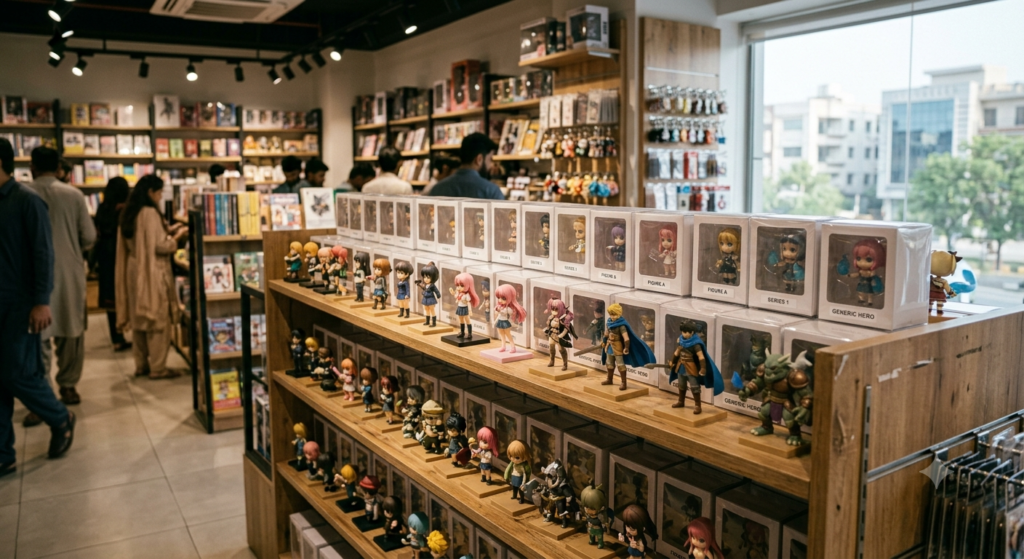
- Retail expansion — the Crunchyroll Store has become a meaningful revenue contributor, tying back into the merchandising economics we cover in Anime Merchandising Revenue: Why Toys Make More Than the Show.
How Crunchyroll’s Model Compares to General Streaming
Unlike a broad platform like Netflix, Crunchyroll operates in a niche with a passionate but comparatively smaller audience, meaning it can’t rely purely on subscriber volume the way general entertainment streamers do. Its advantage is licensing exclusivity and brand trust within a dedicated fanbase — which is also why bundling manga, events, and merchandise into the ecosystem matters more for Crunchyroll’s model than for most general streaming competitors.
Common Misconceptions
“Crunchyroll makes most of its money from subscriptions.” Subscriptions are a major piece, but licensing costs are high enough that merchandise, co-productions, and bundling all meaningfully contribute to overall profitability.
“Simulcasting is basically free for Crunchyroll.” No — simulcast rights are actively negotiated and paid for per title, sometimes at a premium for day-one, high-demand releases.
“Every show on Crunchyroll is a ‘Crunchyroll Original.’ Most titles are still licensed after the fact from production committees rather than co-produced from the start; “Originals” make up a smaller, higher-investment subset of the catalog.
What This Means for Fans and Investors
Understanding Crunchyroll’s business model explains some real-world patterns fans notice: why certain shows get pulled from the platform in specific regions (licensing territory restrictions), why some titles get a heavier marketing push (co-production stake), and why merch drops often coincide tightly with a season’s premiere (cross-promotional revenue strategy). None of this is financial advice — streaming and merch economics can shift quickly with licensing renewals and platform strategy changes.

FAQ
Does Crunchyroll own the anime it streams? Rarely for licensed titles — ownership typically stays with the production committee. Crunchyroll owns rights only for shows it directly co-produces as an “Original.”
Why do some anime leave Crunchyroll after a while? Licensing agreements are time-limited and territory-specific; when a deal expires or isn’t renewed, a title can be removed or moved to another platform.
Is Crunchyroll profitable? Sony’s parent company has discussed the challenges of anime streaming economics publicly; profitability has depended heavily on bundling, merchandise, and owning stakes in production rather than subscriptions alone.
What’s the difference between a “simulcast” and a “Crunchyroll Original”? A simulcast is a licensed title streamed shortly after Japanese broadcast; an “Original” means Crunchyroll co-funded production and holds stronger, often exclusive, global rights.
Does Crunchyroll pay animators directly? No — Crunchyroll pays the production committee, which then covers the studio’s production fee. Animator pay flows through the studio’s own compensation structure, a separate issue covered in Why Are Anime Animators Underpaid? The Economics Explained.
Conclusion
Crunchyroll’s business model works because it doesn’t rely on one revenue stream — subscriptions, licensing negotiations, co-productions, and merchandise all reinforce each other. Understanding this also clarifies why the anime industry’s broader economics, covered in our pillar guide [How Anime Studios Make Money: The Business of Anime Explained], matter just as much to streaming strategy as they do to the studios producing the shows.
Related reading:
- How Anime Studios Make Money: The Business of Anime Explained
- Anime Production Committee System Explained
- Anime Merchandising Revenue: Why Toys Make More Than the Show
- Why Are Anime Animators Underpaid? The Economics Explained
- Why Anime Studios Go Bankrupt Despite Hit Shows